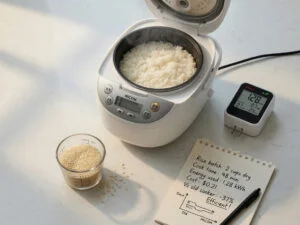
When my neighbor Sarah switched from her old aluminum rice cooker to a ceramic one last year, she couldn’t stop talking about how much better her jasmine rice turned out. We’ve all been there – wondering if we’re missing out on something with our current kitchen gear. While ceramic rice cookers cost more upfront, there’s actually some solid science behind why they might give you consistently better results than what you’re using now.
What Makes Ceramic Rice Cookers Different From Other Materials
When it comes to choosing a rice cooker, we’ve got more material options than ever before, and honestly, ceramic stands out in ways that might surprise you. The ceramic advantages are pretty impressive – you’re getting non-toxic cooking without worrying about BPA or PTFE chemicals that come with Teflon models. When we look at material comparisons, ceramic’s heat distribution is actually superior to most alternatives. It spreads warmth evenly, preventing those annoying hot spots that burn your rice. Plus, it retains heat longer than stainless steel, though you’ll need to watch for overcooking. Additionally, ceramic pots offer even heat distribution for perfectly cooked rice, making them a popular choice among many users.
Health and Safety Benefits of Ceramic Rice Cooker Inner Pots
Since we’re talking about putting food in our bodies every day, the health benefits of ceramic rice cooker pots really can’t be overstated. The safety features make them worth considering for anyone who’s health-conscious.
| Feature | Ceramic Pots | Teflon-Coated Pots |
|---|---|---|
| Chemical Safety | PFOA/PTFE-free | Contains chemicals |
| Fume Release | None when overheated | Harmful fumes possible |
| Flavor Impact | Preserves natural taste | May impart flavors |
| Heat Distribution | Even cooking | Potential hot spots |
Well, I think the chemical-free nature is probably the biggest advantage. You don’t have to worry about toxic substances leaching into your rice. Additionally, using a ceramic rice cooker can help you avoid harmful chemicals found in traditional non-stick coatings.
Cooking Performance: How Ceramic Affects Rice Texture and Flavor
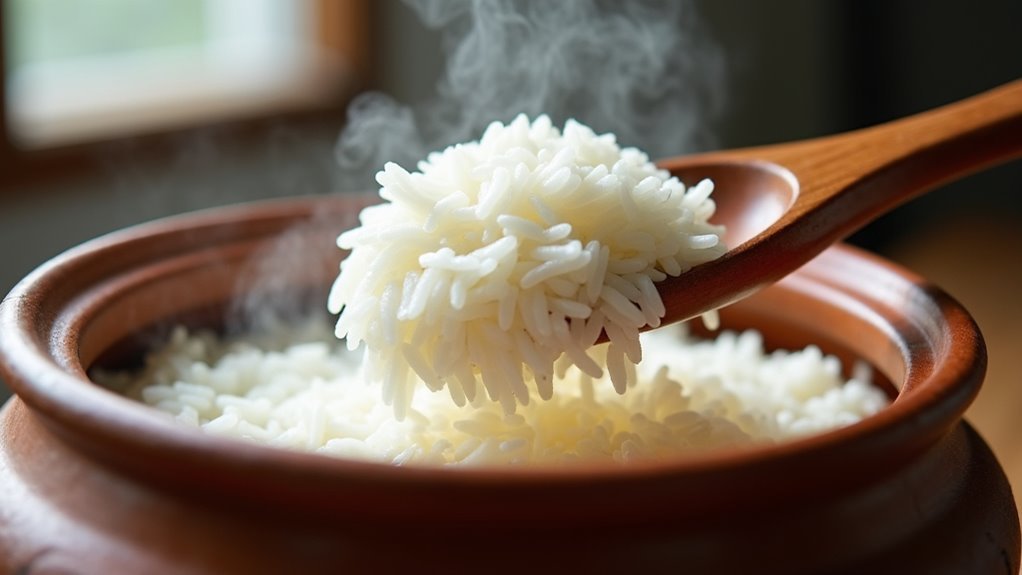
Beyond the health advantages, we’ve found that ceramic rice cookers actually deliver superior cooking results that’ll make you wonder why you didn’t switch sooner. The slow, even heating creates remarkable rice texture – each grain comes out perfectly separated and fluffy. We’re talking restaurant-quality results at home.
What really impressed us is the flavor enhancement you get with ceramic. Since it’s completely neutral, there’s no metallic taste interfering with your rice’s natural flavors. Plus, the heat retention means your rice stays at that ideal temperature longer, preventing those mushy or overcooked disasters we’ve all experienced.
Durability and Maintenance Requirements for Ceramic Rice Cookers
While ceramic rice cookers deliver amazing cooking results, we’ll be honest – they’re not exactly the most forgiving appliances in your kitchen. Think of them like fine china – beautiful and functional, but requiring gentle care.
Key handling tips and fragility concerns:
- Handle with two hands when moving – they’re heavier than you’d expect
- Use soft sponges only during cleaning to avoid scratching the surface
- Never place hot ceramic parts on cold surfaces (thermal shock causes cracks)
- Check seals and cords regularly for wear
- Store carefully to prevent chips from other kitchen items
Well, proper maintenance actually extends their lifespan considerably, as using a cleaning agent helps to remove residue buildup and keep the cooking surface in optimal condition.
Cost Analysis: Are Ceramic Rice Cookers Worth the Investment
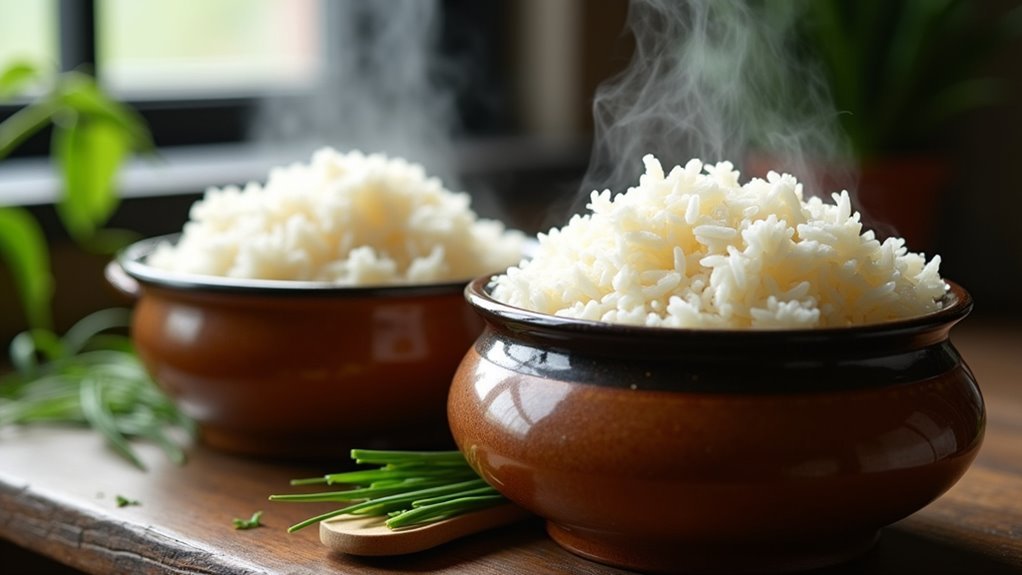
When you’re staring at price tags that range from $50 to $200, it’s natural to wonder if a ceramic rice cooker is really worth the extra cash. Well, we think a good cost comparison shows they actually are. Sure, the upfront investment feels steep, but these cookers last for years without the chemical concerns of cheaper alternatives. The long term savings become clear when you’re not replacing cookware or wasting rice from uneven cooking. Plus, you’re getting a versatile appliance that handles rice, porridge, and soups—basically multiple kitchen tools in one. Additionally, ceramic rice cookers offer even heat distribution for perfectly cooked rice every time.
Frequently Asked Questions
What Are the Downsides of Ceramic Cookware?
Ironically, ceramic’s “gentle” nature brings headaches we’d rather avoid: durability concerns from easy chipping, slower heating that tests our patience, and heat retention that’ll overcook dinner if we’re not watching constantly.
Do Professional Chefs Use Ceramic Cookware?
Yes, many professional chefs use ceramic cookware despite ceramic durability concerns. We see professional preferences lean toward ceramic for its non-toxic properties, even heat distribution, and excellent heat retention for baking and roasting applications.
What Are the Disadvantages of Ceramic Stove?
Don’t put all your eggs in one basket with ceramic stoves. We’ll find ceramic durability issues like cracking from temperature changes, plus heat retention problems that cause uneven cooking and slower response times.
Is a Ceramic Coating Rice Cooker Safe?
Yes, we’d recommend ceramic coating rice cookers for their ceramic safety benefits. They’re free from harmful chemicals like PFOA and PTFE, won’t release toxic fumes when overheated, and don’t leach substances into your food.