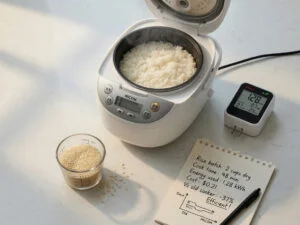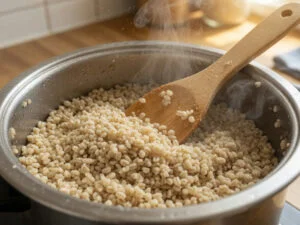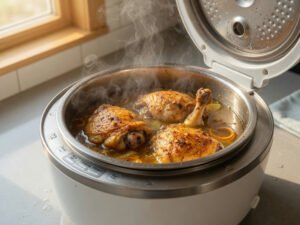
Yes, you can absolutely cook meat in a rice cooker — and once you try it, you may never go back to your old methods. Chicken, beef, pork, fish, and seafood all respond beautifully to the moist, controlled heat a rice cooker produces. Whether you want to steam a fillet, slow-cook a braise, or throw meat and rice into one pot together, your rice cooker is fully up to the job.
Most people treat their rice cooker as a one-trick appliance. That’s a mistake. The sealed, steam-rich environment inside a rice cooker is remarkably similar to braising or steaming — two of the most reliable methods for producing tender, juicy proteins. Home cooks who discover this tend to use their rice cooker every single day rather than just when they need a side of rice.
Key Takeaways
- Rice cookers can safely cook chicken, beef, pork, fish, and seafood using direct heat or steam
- Poultry must reach an internal temperature of 165°F (74°C); whole cuts of beef, pork, and fish need at least 145°F (63°C)
- You can cook meat and rice at the same time in a single pot for effortless one-pot meals
- Chicken thighs, fish fillets, and ground meat are the easiest starting points
- Marinating before cooking and using broth instead of water dramatically improve the finished result
What Types of Meat Can You Cook in a Rice Cooker?
Almost every common protein works in a rice cooker — the key is choosing cuts and methods that suit the appliance’s strengths. Rice cookers generate steady, moist heat, which is ideal for proteins that benefit from braising or steaming. Dry-heat cuts like a whole steak or crispy-skin chicken aren’t the right fit, but a wide range of everyday proteins are.
Here’s a practical overview of what to expect for the most common meat types:
| Meat Type | Best Method | Approx. Cook Time | Safe Internal Temp |
|---|---|---|---|
| Chicken thighs / drumsticks | Direct heat + steam | 25–35 minutes | 165°F (74°C) |
| Chicken breast | Steam tray | 20–30 minutes | 165°F (74°C) |
| Ground beef / pork | Direct in pot | 15–20 minutes | 160°F (71°C) |
| Beef stew chunks | Slow cook cycle | 60–90 minutes | 145°F (63°C) |
| Pork shoulder / chops | Direct heat + liquid | 40–60 minutes | 145°F (63°C) |
| Fish fillets (salmon, tilapia) | Steam tray | 10–15 minutes | 145°F (63°C) |
| Shrimp | Steam tray | 5–8 minutes | 145°F (63°C) |
Beyond meat, the rice cooker handles an impressive range of dishes — from beans and grains to soups and even desserts. If you’re curious about the full scope of what this appliance can do, this deep-dive into versatile cooking in a rice cooker is worth bookmarking.
Is It Safe to Cook Meat in a Rice Cooker?
Food safety is the right first question to ask when experimenting with any new cooking method. The good news is that rice cookers are entirely safe for cooking meat — as long as you follow a few basic principles.
According to the USDA, safe minimum internal temperatures for cooked meats are as follows: poultry (chicken, turkey, duck) must reach 165°F (74°C); whole cuts of beef, pork, lamb, and fish require 145°F (63°C) with a 3-minute rest; and ground meats must reach 160°F (71°C). Rice cookers consistently reach and maintain temperatures above 200°F (93°C) during the active cooking cycle — well above every one of those safety thresholds.
The real risk isn’t the appliance — it’s assuming the meat is done when the cooker clicks to “Warm.” Thick cuts, dense bone-in pieces, and larger portions can have cooler centers even when the exterior appears fully cooked. The only reliable way to confirm doneness is a meat thermometer. For consistent, worry-free results, cooking with a rice cooker thermometer takes the guesswork out of every protein you put in the pot.
Rice cookers reach internal cooking temperatures above 200°F during the active cycle — comfortably exceeding USDA minimum safe temperatures for all common meats.
How to Cook Chicken in a Rice Cooker: Step-by-Step
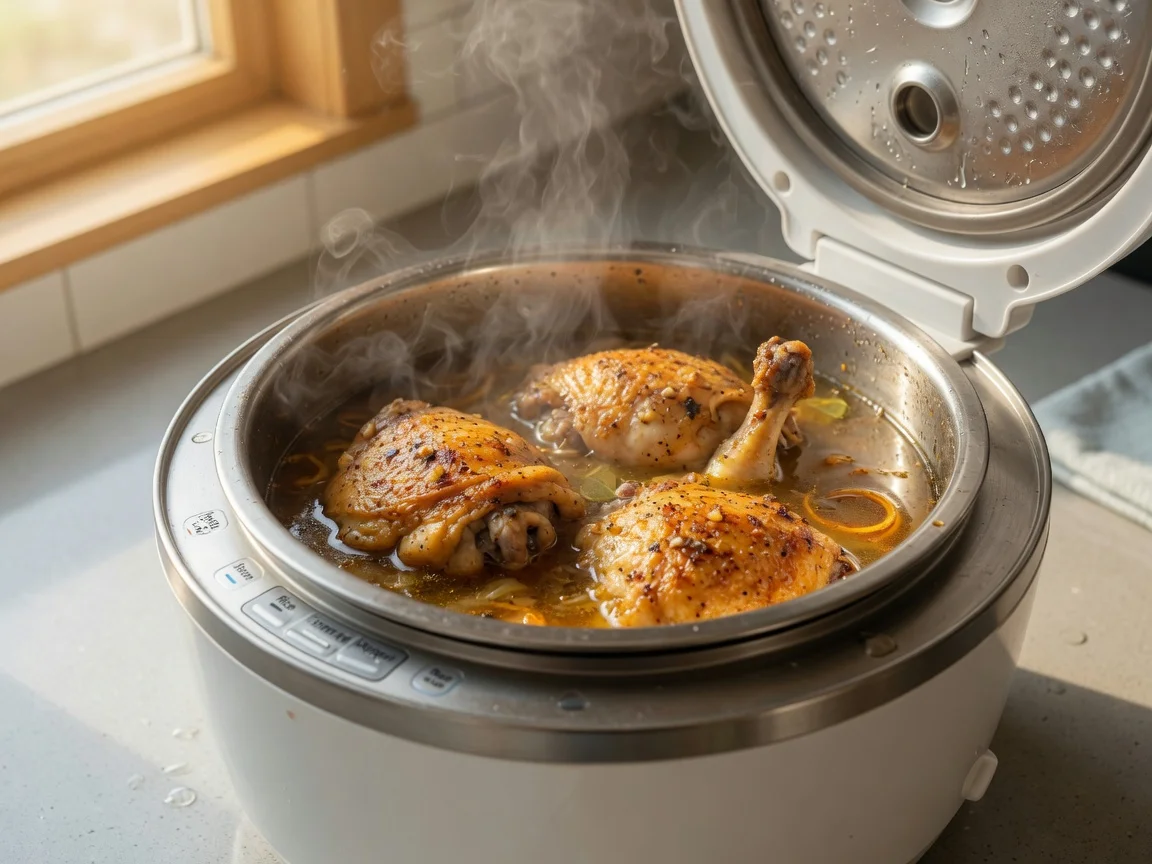
Chicken is the ideal meat to start with in a rice cooker. Thighs are especially forgiving — their fat content keeps them moist and flavorful even if the cook cycle runs slightly longer than planned. Breasts work beautifully on a steam tray, which lifts them above direct heat for a gentler, more even cook.
- Season the chicken. Coat pieces generously with salt, pepper, garlic powder, paprika, or a marinade of your choice. Let it sit at least 15 minutes — or overnight in the refrigerator for deeper, more complex flavor.
- Add liquid to the inner pot. Pour in approximately ½ cup of chicken broth or water. The liquid generates steam and prevents the bottom of the pot from scorching.
- Place the chicken in the pot or on a steam tray. Thighs and drumsticks can sit directly in the pot. Breasts do better on a steam tray if your model includes one.
- Select the correct cooking setting. Use the standard “Cook” or “White Rice” cycle for basic models. If your rice cooker has a dedicated “Meat,” “Slow Cook,” or “Multi-Cook” program, use that instead for better temperature control.
- Start the cooker and keep the lid closed. Lifting the lid releases steam and drops the internal temperature, extending cook time significantly and drying out the meat.
- Verify the internal temperature. When the cooker switches to “Warm” or signals completion, insert a meat thermometer into the thickest part of the chicken — away from any bone. It must read 165°F (74°C).
- Rest the meat for 3–5 minutes before cutting. This short rest allows juices to redistribute through the meat, keeping every bite tender and moist.
Expect boneless thighs to take around 25–30 minutes and bone-in pieces around 35–40 minutes. If the cooker clicks to “Warm” before the meat is fully done, simply switch back to “Cook” manually and check again in 10 minutes.
How to Cook Beef and Pork in a Rice Cooker
Beef and pork require a bit more time than chicken, but the moist heat environment of a rice cooker is genuinely well-suited for both — especially for cuts that benefit from slow, wet cooking. Think braised pork shoulder, beef stew, and slow-cooked ribs rather than steaks or chops you’d normally grill.
Ground beef and pork are the fastest and most approachable starting point. Add them directly to the inner pot with diced onion, garlic, and a splash of broth. Run a standard cook cycle — about 15–20 minutes — and stir once or twice if your model allows mid-cycle access. The result is perfectly cooked, crumble-ready meat for tacos, rice bowls, pasta sauces, or anything else you’d normally brown on the stovetop.
For braised cuts like beef chuck or pork shoulder, add about 1 cup of liquid (beef broth, a soy-and-garlic mixture, or tomato-based sauce), season generously, and run on a slow cook or standard setting for 60–90 minutes. Models with a dedicated “Slow Cook” program are ideal here — lower, extended heat is exactly what breaks down tough connective tissue and produces fork-tender results. Add root vegetables like carrots, potatoes, or onions directly to the pot to build a complete one-pot meal.
Pork chops follow a similar path to chicken thighs: season well, add ¼ to ½ cup of liquid, and cook on the standard setting for 35–45 minutes. The steam environment keeps them far juicier than oven-baking or pan-frying with dry heat.
How to Cook Fish and Seafood in a Rice Cooker
Fish may actually be the best thing you can cook in a rice cooker — and it’s nearly impossible to ruin. The gentle, indirect steam that the appliance generates is perfectly matched to delicate proteins that dry out quickly under the high, direct heat of an oven or frying pan.
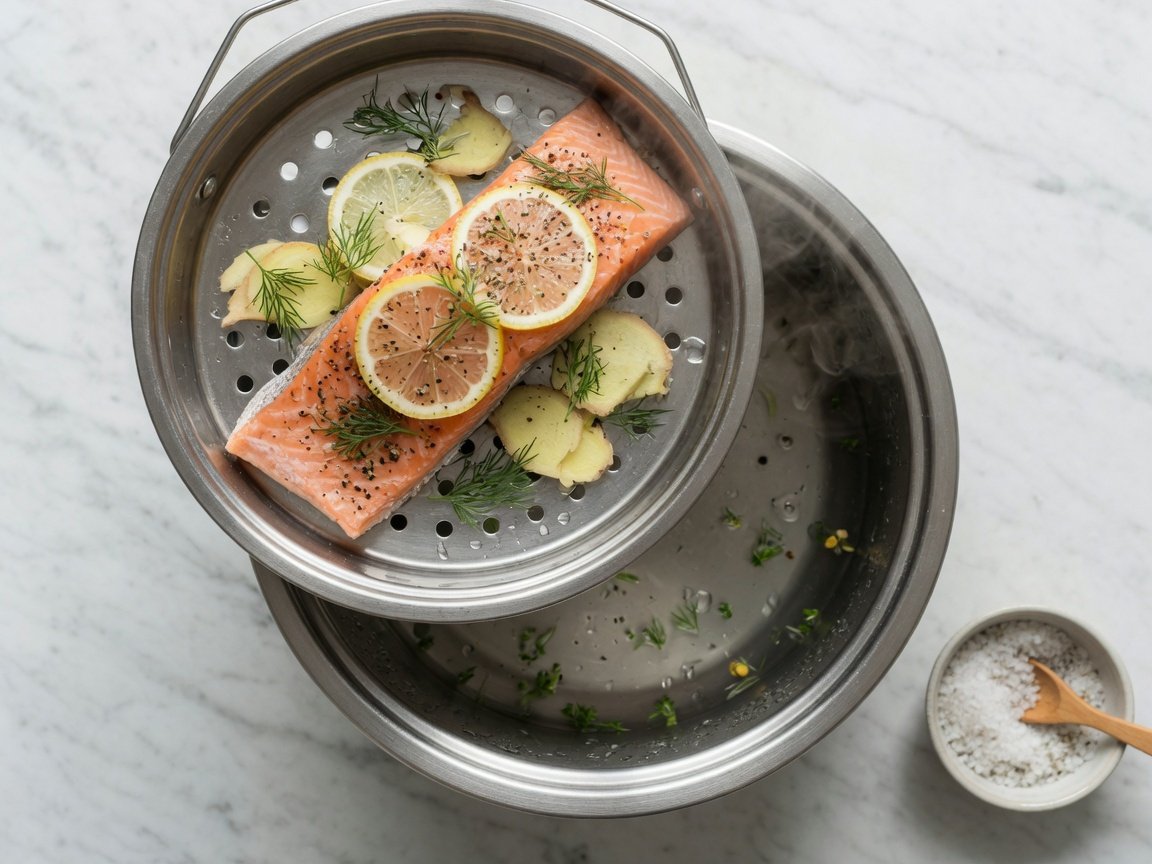
To steam fish fillets, place them on a steam tray or rack positioned above water or broth in the inner pot. Season with salt, cracked pepper, lemon slices, fresh ginger, or whatever aromatics you prefer. A standard 6-oz salmon fillet takes roughly 12–15 minutes. White fish like tilapia or cod cooks even faster — around 8–12 minutes — and emerges perfectly flaky and moist every single time.
Shrimp is the quickest option of all. Arrange them in a single layer on the steam tray, season lightly, and run the cooker for 5–8 minutes depending on size. No stirring, no flipping, no watching required.
A simple technique that makes a big difference: add aromatics directly to the water in the pot rather than just to the fish. Lemongrass stalks, ginger slices, garlic cloves, and a dash of soy sauce in the base liquid infuse flavor into the steam itself, which permeates the fish as it cooks above. It’s a restaurant-quality result that takes almost no extra effort.
Can You Cook Meat and Rice Together in the Same Pot?
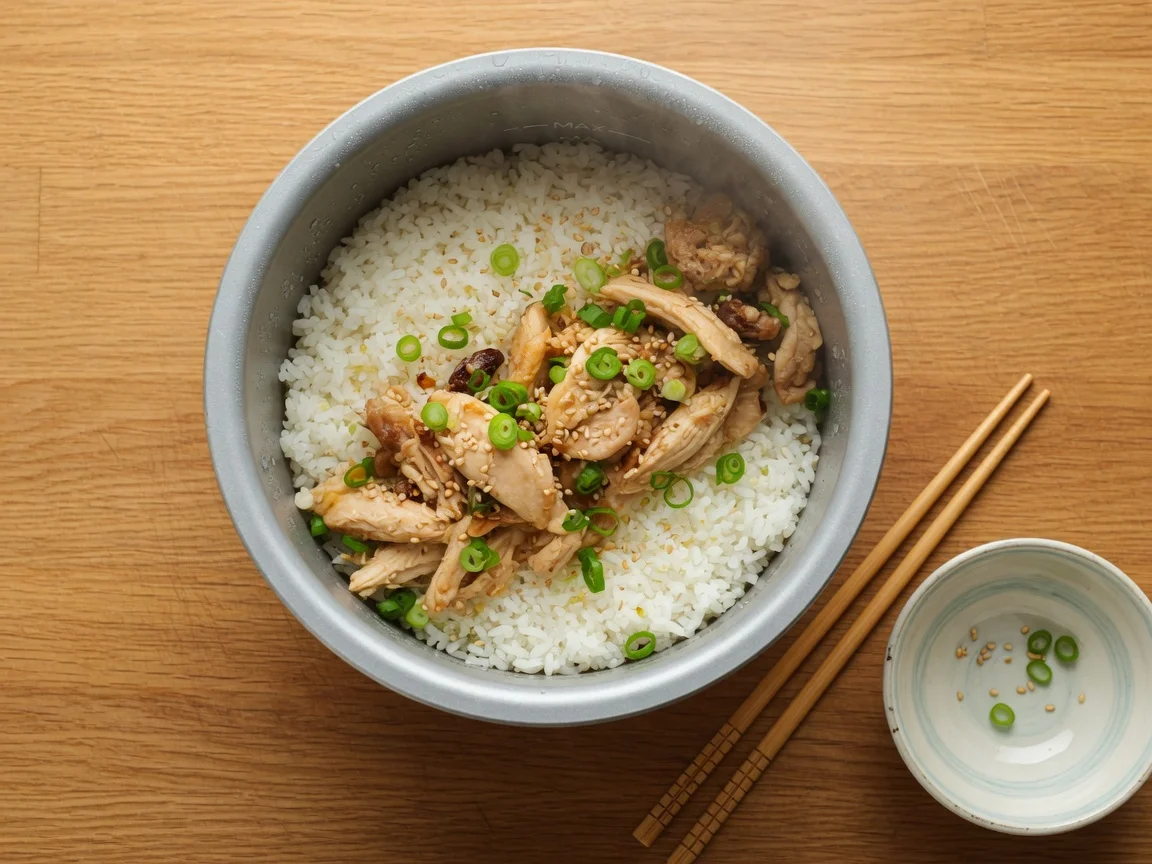
Yes — and this is where the rice cooker earns its reputation as the ultimate low-effort, high-reward appliance. Cooking protein and rice together in a single pot is one of the most practical techniques in everyday home cooking, and the rice cooker handles it with almost no effort on your part.
The method is simple: add rinsed, uncooked rice to the inner pot, pour in your measured cooking liquid (broth adds far more flavor than plain water), lay seasoned, portioned meat directly on top of the raw rice, and start the cook cycle. As the rice absorbs the liquid from below, it also absorbs any juices and drippings from the meat above, producing an incredibly flavorful, cohesive dish.
This technique works especially well with chicken thighs, sliced sausage, marinated ground beef, and thin-cut pork. Avoid placing very thick or dense cuts directly on uncooked rice — they can prevent the rice from cooking evenly. Cut or portion meat into consistent, reasonably sized pieces for best results across the whole pot.
This one-pot approach is the backbone of dishes like the West African classic Jollof rice — a tradition that translates beautifully to the rice cooker. If you want a complete walkthrough of a one-pot rice-and-meat recipe, this guide on how to cook Jollof in your rice cooker is an excellent starting point. The core principles apply to dozens of similar preparations across cuisines.
For more ideas on putting the rice cooker to work on busy weeknights, 5 quick rice cooker meals covers a range of practical recipes that go well beyond basic rice.
Best Tips for Cooking Meat in a Rice Cooker
A few consistent habits separate good rice cooker meat from genuinely great rice cooker meat. These tips apply across all proteins and all cooker models.
- Always season or marinate before cooking. Rice cookers trap moisture inside the pot — which is wonderful for texture, but it also means flavors need to be built into the meat before the lid goes on. A 30-minute marinade makes a noticeable difference. Overnight marinating in the refrigerator is even better.
- Use broth instead of plain water. Even a small amount of chicken, beef, or vegetable broth as your base liquid adds a depth of flavor that plain water cannot. The broth also enriches any rice you cook alongside the meat.
- Never cook from frozen. Frozen meat heats unevenly in a rice cooker, which creates cold spots that may not reach a safe internal temperature. Always thaw completely in the refrigerator before cooking.
- Don’t overcrowd the pot. Meat pieces need space around them so steam can circulate evenly. A tightly packed pot leads to inconsistent doneness — some pieces overcooked, others underdone.
- Keep the lid closed. Every time you open the lid, you lose built-up steam and drop the pot temperature. Resist the urge to check. Wait until the cook cycle ends.
- Cut meat into uniform pieces. Consistent size means consistent cooking. A mix of thick and thin cuts will leave you with uneven results across the pot.
- Always rest the meat after cooking. Even 3–5 minutes of resting time allows juices to redistribute throughout the meat. Skipping this step is the most common reason rice cooker meat tastes dry despite being cooked correctly.
- Use the right setting for the cut. Basic models work fine for most proteins. If your cooker has dedicated “Meat,” “Slow Cook,” or multi-stage programs, take advantage of them — especially for tough, collagen-rich cuts that need long, low heat to become tender.
Common Mistakes to Avoid When Cooking Meat in a Rice Cooker
Most problems with rice cooker meat come down to a handful of predictable, easily avoidable errors. Here’s what to watch out for as you build your confidence with this method.
Skipping the thermometer check. Assuming the meat is done because the cooker switched to “Warm” is the single most common mistake. Always verify internal temperature with a meat thermometer, especially for bone-in cuts where the center takes considerably longer to heat than the outer portions.
Adding too much liquid. Rice cookers are sealed during cooking, so moisture doesn’t evaporate the way it does in an open pot or skillet. Too much liquid results in watered-down flavor and a soggy, stewed texture. Start with ¼ to ½ cup for most preparations. If you’re making something intentionally broth-heavy — like a meat soup or congee — the guidance on the best rice cooker settings for soups covers liquid ratios in detail.
Choosing the wrong cut. Some cuts simply don’t suit a rice cooker. Anything you’d normally grill or sear for a crispy exterior — a ribeye steak, whole skin-on chicken legs, pork belly — won’t develop that texture in a moist-heat environment. Stick to cuts that benefit from braising and steaming: thighs, shoulder, stew chunks, fish fillets.
Not running a second cycle for thick cuts. Large or dense pieces of meat sometimes need more time than a single standard cook cycle (typically 25–35 minutes) provides. If your cooker signals completion and the thermometer reading is low, manually switch back to “Cook” and check again after another 10–15 minutes.
Neglecting cleanup. Meat proteins and juices can stain and degrade a rice cooker’s non-stick inner coating if left to dry. Make a habit of cleaning the inner pot as soon as it cools down after cooking meat.
What Rice Cooker Features Help Most for Cooking Meat?
Not all rice cookers are equally capable when it comes to cooking proteins. A few specific features make the process significantly easier and produce noticeably better results.
Multiple cooking programs. A model with dedicated “Meat,” “Slow Cook,” or “Multi-Cook” settings gives you temperature control that basic on/off models simply can’t offer. For tough cuts that need low, extended heat, this difference matters a great deal.
Induction heating (IH) technology. IH rice cookers heat the entire inner pot evenly from all sides rather than just the bottom. When cooking meat, this eliminates cold spots and produces far more consistent results across the whole pot. If you’re weighing the upgrade, this breakdown of induction heating rice cooker functions explains exactly what sets IH models apart from conventional heating elements.
A steamer basket or tray. A steam tray is essential for fish, shrimp, and chicken breasts. It lifts proteins above the liquid so they steam rather than boil, producing a much better texture. If your rice cooker didn’t include a steam tray, compatible aftermarket options are widely available for most popular models.
Pressure cooking capability. Some premium rice cookers double as pressure cookers. For meat, this is transformative — tough cuts like beef short ribs or pork shoulder that take 90 minutes in a standard cooker are done in 25–30 minutes under pressure, with equally tender results.
A large-capacity inner pot. A 10-cup rice cooker provides significantly more room to arrange chicken pieces or stew chunks without crowding. If you regularly cook for three or more people, capacity matters more than almost any other specification when cooking meat.
Frequently Asked Questions
Can you put raw meat in a rice cooker?
Yes. You can place raw meat directly in a rice cooker without pre-cooking or searing it first. Season or marinate the meat beforehand, add a small amount of liquid to the pot, and always verify the internal temperature with a meat thermometer before serving. The cooker will bring it to a safe temperature during the cook cycle.
How long does it take to cook chicken in a rice cooker?
Boneless chicken thighs take approximately 25–30 minutes on a standard cook cycle. Bone-in pieces run longer — around 35–40 minutes. Chicken breasts on a steam tray typically cook in 20–25 minutes. Regardless of timing, always confirm the internal temperature has reached 165°F (74°C) at the thickest point before serving.
Can you cook frozen meat in a rice cooker?
No — and this is important. Frozen meat heats unevenly in a rice cooker, which can leave the center at a dangerously cold temperature while the exterior appears completely cooked. Always thaw meat fully in the refrigerator before placing it in your rice cooker. Overnight thawing in the fridge is the safest approach for thick cuts.
Can you cook meat and rice at the same time in a rice cooker?
Absolutely — and it works really well. Add rinsed, uncooked rice to the pot, pour in measured broth, place portioned and seasoned meat on top of the raw rice, and start the standard cook cycle. The rice cooks from below while the meat steams above it. Use boneless, smaller portions of meat for the most even, reliable results.
Does meat taste good cooked in a rice cooker?
Yes — often surprisingly good. The sealed, steam-rich environment keeps proteins tender and juicy in ways that dry-heat methods struggle to replicate. Chicken thighs, pork shoulder, and fish fillets are especially well-suited to this cooking style. The one trade-off is that you won’t get caramelization or a browned crust, so all your flavor needs to come from the marinade, seasoning, and aromatics you add before cooking.
What is the best meat to cook in a rice cooker?
Chicken thighs are the best starting point — they’re forgiving, flavorful, and nearly impossible to ruin. Fish fillets are a close second for ease and speed. For beef and pork, choose cuts you’d normally braise or slow-cook: shoulder, chuck, stew meat, or ground meat. Avoid lean cuts like sirloin or tenderloin that are better suited to dry-heat methods.
Can you use a rice cooker as a slow cooker for meat?
To a meaningful degree, yes. Models with a dedicated “Slow Cook” setting run at lower temperatures over a longer period — exactly what tough, collagen-rich cuts need to become tender. Basic rice cookers can also be run through multiple back-to-back cook cycles to approximate a slow-cooking effect for particularly thick or dense cuts.
The Bottom Line: Your Rice Cooker Is a Meat-Cooking Machine
Cooking meat in a rice cooker isn’t just possible — it’s genuinely one of the most practical, hands-off, and beginner-friendly cooking methods you can use. The moist heat environment produces tender, juicy proteins without the constant monitoring that stovetop and oven cooking often demands, and the sealed pot makes it nearly impossible to dry out a fillet or overcook a thigh through inattention.
If you’re new to this, start with chicken thighs or a salmon fillet. Season generously, add a splash of broth to the pot, close the lid, and let the cooker do the work. When it signals done, check the internal temperature. That one habit — confirming temperature every time — is all that stands between you and consistently safe, delicious rice cooker meat.
From there, the possibilities open up fast: braised pork shoulder, one-pot chicken and rice, steamed shrimp with aromatics, slow-cooked beef stew. The appliance you bought for weeknight rice has been waiting to do a lot more. Now you know exactly how to put it to work.
— “`json