
Like modern cars that know when to pump the brakes, we’ve probably all wondered why our electric cookers seem to have a mind of their own. Well, it turns out these smart appliances aren’t just being stubborn—they’re actually looking out for us in ways we might not realize. From preventing kitchen disasters to saving energy bills, there’s more happening behind that automatic shutdown than meets the eye.
Safety Features That Trigger Automatic Shutdown
When we’re cooking our favorite meals, we probably don’t think much about all the safety mechanisms working behind the scenes to protect us.
Modern electric cookers are packed with safety features designed to prevent disaster. The most essential is overheating protection – think of it like a guardian angel that triggers automatic shutdown when temperatures get dangerously high, preventing any fire hazard.
Door sensors also jump into action, shutting everything down if we open the oven mid-cycle. These aren’t just convenience features; they’re actually lifesavers that keep our kitchens safe.
Overheating Protection and Temperature Control
Although we’ve touched on overheating protection as a safety feature, it’s actually the heart of your electric cooker’s entire operation – and honestly, it’s pretty fascinating how it all works together.
Your cooker’s temperature control system works like a vigilant watchdog, constantly monitoring internal temps through sensors and thermostats. When everything’s working properly, it maintains consistent cooking temperatures while preventing dangerous overheating.
| Component | Function |
|---|---|
| Sensors | Monitor internal temperature |
| Thermostats | Control heating elements |
| Safety switches | Emergency shutdown activation |
| Ventilation | Heat distribution management |
| Control board | Coordinates all systems |
However, a faulty thermostat can throw everything off-balance, causing premature shutdowns or worse. Additionally, implementing energy-efficient features can enhance the overall performance and longevity of your electric cooker.
Energy Efficiency and Power Conservation Benefits
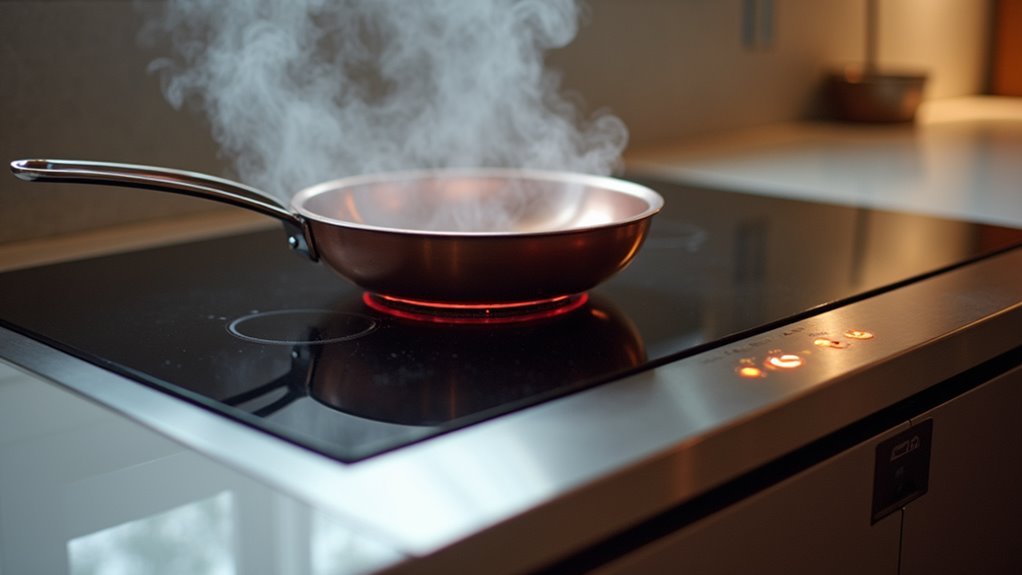
When your cooker automatically powers down after cooking’s done, you’re looking at real energy efficiency in action. We’ve all forgotten to turn off appliances before, and well, that’s just money down the drain. These smart power conservation features can genuinely lower your utility bills. Modern cookers monitor their energy use like hawks, optimizing performance while minimizing standby power consumption – it’s pretty clever technology, honestly. Additionally, these cookers also provide hands-off freedom by allowing you to focus on other tasks while your meals are prepared.
Timer-Based Auto Shut-Off Functionality
Since we’ve covered how these features save money, let’s explore probably the most practical aspect – the timer-based auto shut-off that’s become pretty much standard in today’s electric cookers.
This functionality automatically turns off the heating elements once your set cooking time ends. It’s like having a reliable kitchen assistant that never forgets.
Most models let you adjust timer settings independently, which is super handy for different dishes. The audible alert signals when cooking’s complete, helping guarantee safety and preventing burnt meals. Additionally, this feature is particularly useful when cooking diverse dishes in a rice cooker, as it allows for efficient cooking methods tailored to specific recipes.
Well, it definitely beats constantly watching the clock while you’re cooking.
Sensor Technology and Smart Detection Systems
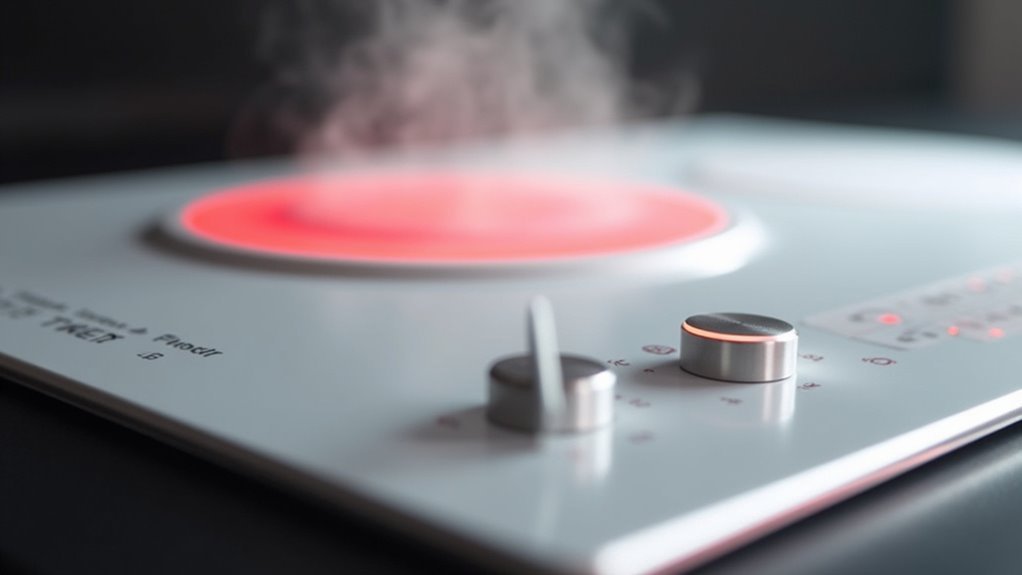
While timer functions are great and all, the real game-changer has to be the sensor technology that’s basically turned our electric cookers into smart cooking machines. These smart detection systems monitor internal temperatures constantly, preventing overheating and ensuring we don’t accidentally burn dinner. When you open the oven door, sensors detect it immediately and pause heating – pretty clever, right? Additionally, the sealed heating system in rice cookers helps to preserve nutrients, contributing to healthier meals.
| Sensor Type | Function | Benefit | Smart Feature |
|---|---|---|---|
| Temperature | Monitors heat levels | Prevents overheating | Auto-adjusts elements |
| Door | Detects opening/closing | Enhanced safety | Pauses cooking cycle |
| Progress | Tracks cooking stages | Consistent results | Predictive shut-off |
| Wi-Fi | Remote connectivity | Convenience | Smartphone notifications |
Preventing Kitchen Accidents and Fire Hazards
All this smart technology we’ve been talking about actually serves a much more serious purpose – it’s literally designed to keep our kitchens from going up in flames.
When your oven starts overheating, these safety mechanisms kick in automatically to shut everything down before disaster strikes.
Think of them like smoke detectors, but way more proactive. They’re constantly monitoring temperature levels, and if things get too hot – well, they don’t wait around. The system cuts power immediately.
It’s honestly pretty reassuring knowing that even if we forget something’s cooking, our appliances have our backs.
Troubleshooting When Auto Shut-Off Malfunctions
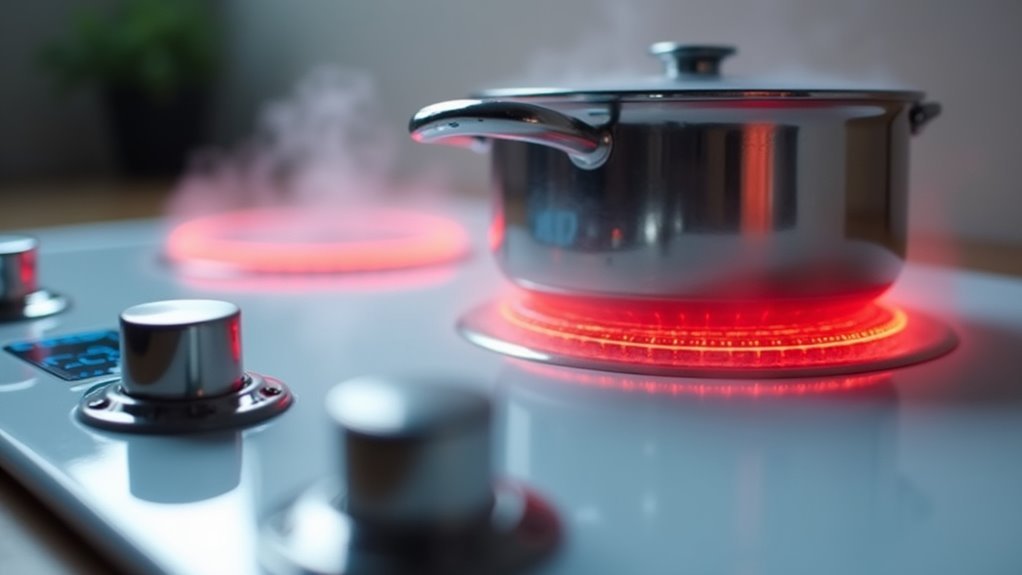
What happens when these reliable safety systems start acting up on us? Well, it’s frustrating when your oven may turn off unexpectedly during cooking.
First, we’ll check the door seal – if it’s damaged, the oven thinks the door’s open and shuts down for safety.
Next, we need to examine power to the oven connections; loose wiring can cause random shutoffs.
The thermostat might be reading temperatures wrong, or maybe the cooling fan’s blocked with grease.
Actually, I think checking these components systematically helps us identify the culprit before calling a technician.
Frequently Asked Questions
Why Does My Electric Oven Shut off by Itself?
Better safe than sorry! We’ve designed your oven with safety features including overheating protection and energy efficiency measures that automatically shut it off when temperatures exceed safe limits or detect potential hazards.
Does an Electric Cooker Turn off Itself?
Yes, we’ll find most modern electric cookers automatically turn off through built-in safety features. They’re designed for energy efficiency and cooking convenience, preventing overheating while ensuring our food doesn’t burn or overcook.
Do New Ovens Shut off Automatically?
Yes, we’ll find many new ovens automatically shut off as safety features to prevent overheating and fires. They also improve energy efficiency and user convenience, though specific functionality varies considerably between different manufacturers and models.
What Happens if You Accidentally Leave the Electric Stove On?
If we accidentally leave our electric stove on, we’ll face safety concerns like fire risks and cooking hazards from overheating. It also reduces energy efficiency and can damage nearby surfaces or appliances.